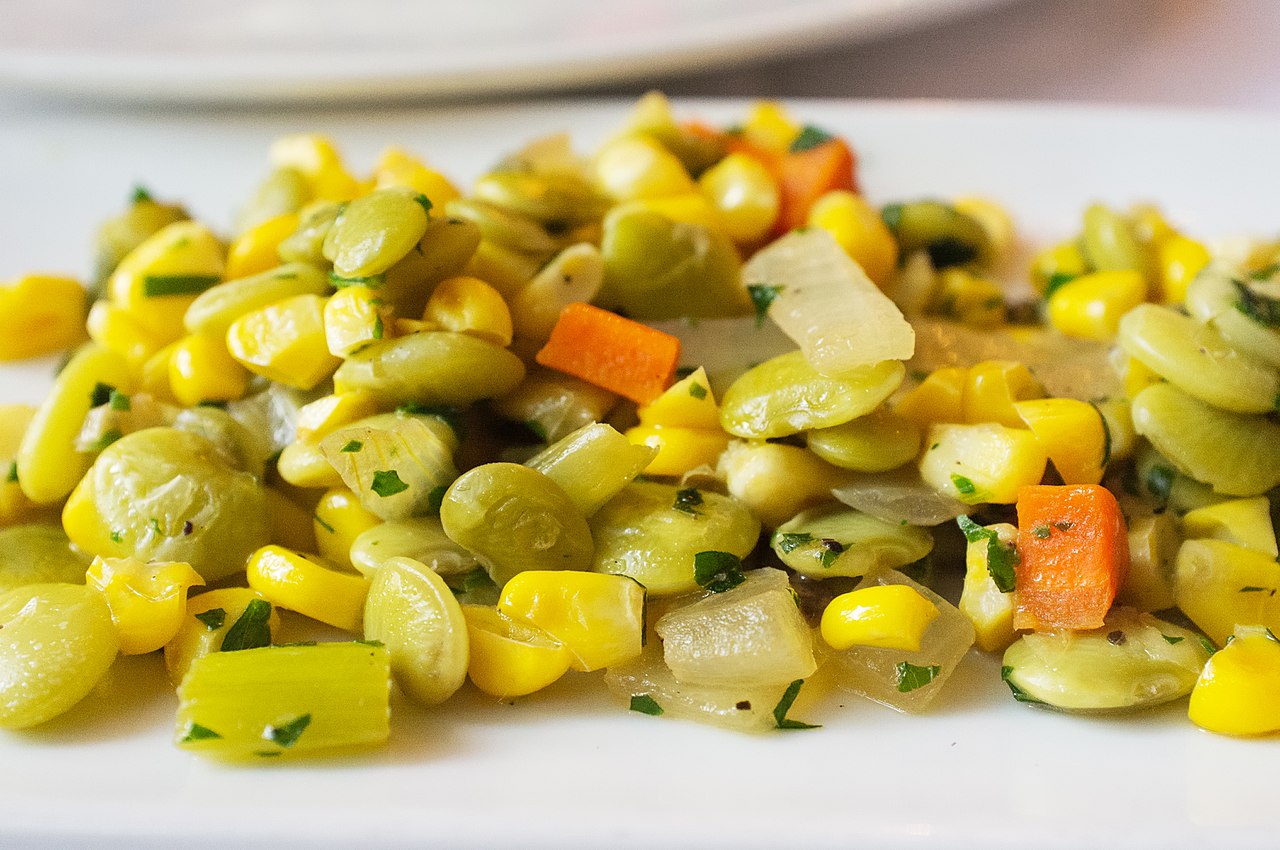
More than just a simple side dish, succotash is a vibrant tapestry woven from centuries of American culinary history. From its humble origins as a Native American staple to its beloved status as a comforting Southern classic, the journey of this versatile dish is as rich and flavorful as the ingredients themselves. If you've ever wondered about the magic behind a perfect creamy succotash recipe, you're in the right place. This article will take you on a deep dive into its fascinating past, uncover the key components that define its taste and texture, and equip you with expert tips to craft your own irresistible bowl of Southern comfort.
The Ancient Roots of Succotash: A Native American Legacy
The story of succotash begins long before any European settlers arrived on American shores. Its earliest form, far from the creamy indulgence many know today, was a simple yet profoundly nutritious combination crafted by Native American tribes in the Northeastern United States. At its heart were corn and beans, often joined by squash, forming what was lovingly known as a "three sisters" dish.
This agricultural triumvirate was more than just a convenient grouping of crops; it was a testament to sophisticated ecological understanding. Corn provided a stalk for beans to climb, beans enriched the soil with nitrogen, and squash leaves shaded the ground, conserving moisture and deterring weeds. Nutritionally, this early succotash was a complete meal, offering a balanced profile of protein, fiber, and essential vitamins – a survival food par excellence that sustained communities through lean seasons and harsh winters.
This original succotash wasn't just sustenance; it was a cornerstone of culture and survival. Its simplicity and robust nutritional value ensured its widespread adoption. When European settlers encountered these Native American communities, they quickly learned the value of this hearty preparation. The ease with which its ingredients could be grown, coupled with its life-sustaining properties, made succotash a crucial element for the colonists, helping them adapt and thrive in a new world.
The Southern Transformation: From Survival to Comfort Food
As succotash spread and evolved, it found a particularly warm embrace in the Southern United States. Here, the dish underwent a delightful metamorphosis, transitioning from a lean survival food to a symbol of comfort and hospitality. Southern cooks, known for their ability to elevate simple ingredients, began to infuse the humble corn and bean mixture with flavors that would come to define regional cuisine.
The addition of ingredients like rich butter, luscious cream, savory bacon, and fragrant fresh herbs marked a significant turning point. These components transformed the texture and taste, imbuing the dish with a depth and richness that made it utterly irresistible. What was once a basic necessity became a cherished side dish, gracing Sunday dinner tables and holiday gatherings alongside staples like fried chicken, cornbread, and collard greens. This evolution showcases the fusion of Native American tradition and Southern culinary ingenuity, demonstrating how a handful of simple ingredients can transcend their origins to become timeless comfort food.
Its newfound versatility further cemented its place in Southern kitchens. While often served as a sumptuous side, a hearty succotash could also stand alone as a filling main course, especially when times were tough or fresh produce was abundant. This adaptability meant it remained relevant and beloved, adapting to the needs and tastes of each generation, and solidifying its legacy as a cornerstone of Southern cooking.
Deconstructing the Perfect Succotash Recipe: Key Ingredients & Variations
At its core, any great succotash recipe is built upon a foundation of corn and beans. However, the magic truly unfolds in the careful selection of supporting ingredients and the art of balancing their flavors and textures. Understanding these components is key to mastering this Southern classic.
The Essential Duo: Corn and Beans
- Corn: The undisputed star, corn brings a natural sweetness and a satisfying crisp-tender bite to the dish. While fresh summer corn, shucked straight from the cob, offers unparalleled flavor and texture, high-quality frozen corn is an excellent, convenient substitute that ensures delicious succotash year-round. Some chefs even recommend lightly charring fresh corn kernels for an added layer of smoky sweetness.
- Beans: Traditionally, lima beans (often called butter beans in the South) are the bean of choice for succotash. Their mild, creamy flavor and tender, slightly starchy texture perfectly complement the sweetness of the corn. Beyond their taste, lima beans are packed with protein, fiber, and essential nutrients like folate and magnesium, contributing to the dish's robust nutritional profile. For many, a true succotash simply isn't complete without them.
The Creaminess Factor
What sets creamy succotash apart is, naturally, its indulgent richness. This typically comes from:
- Heavy Cream: The classic choice for a truly luxurious texture and flavor.
- Milk or Half-and-Half: Lighter options that still provide a pleasing creaminess without being quite as rich as heavy cream.
- Butter: Not just for richness, butter adds a foundational savory depth and helps to bring all the flavors together.
- Other Dairy Boosters: Some creative cooks might incorporate a dollop of cream cheese or sour cream for an extra tang and even thicker consistency, though these are less traditional. For a dairy-free alternative, full-fat coconut milk can lend a surprising and delicious creaminess with a subtle, exotic twist.
Flavor Enhancers and Seasonal Additions
Beyond the core, these ingredients elevate succotash to new heights:
- Bacon: A cornerstone of Southern cooking, crumbled, crispy bacon adds a crucial smoky, salty dimension. Rendering the bacon first and then cooking the vegetables in the residual fat infuses the entire dish with irresistible savory notes.
- Fresh Herbs: Basil is a common and fantastic choice, offering a peppery, sweet aroma that brightens the dish. Other herbs like fresh thyme, chives, or parsley can also be used, depending on personal preference and what's in season.
- Other Vegetables: For a true summer celebration, ingredients like diced fresh tomatoes (especially cherry or grape tomatoes for a burst of acidity and color) and tender okra pods are frequently added. These additions not only enhance flavor but also contribute to the vibrant visual appeal, making succotash a "greatest hits list of summer veggies," as Southern Living aptly puts it.
Smart Substitutions for Dietary Needs or Preference
While lima beans are traditional, succotash is incredibly forgiving. If you're not a fan, or simply want to try something new, consider:
- Beans: Edamame (for a vibrant green and slightly nutty flavor), fresh green beans (snapped into bite-sized pieces), or even peas can be excellent alternatives to lima beans, each bringing a unique texture and flavor profile. For a heartier, more rustic version, cannellini beans or chickpeas can also work well.
- Dairy-Free: As mentioned, full-fat coconut milk or even a rich vegetable broth can be used in place of dairy to achieve a creamy base.
- Vegetarian/Vegan: Omit the bacon and use a good quality olive oil or vegan butter for sautéing. Add smoked paprika or liquid smoke for a hint of smoky flavor if desired.
Mastering Your Succotash Recipe: Expert Tips & Serving Suggestions
Crafting the perfect succotash is less about rigid rules and more about understanding the interplay of fresh ingredients and flavors. Here are some expert tips to ensure your succotash recipe shines, along with versatile serving ideas.
Tips for Succotash Perfection:
- Prioritize Freshness: While frozen ingredients are convenient, using fresh corn (especially in season), fresh lima beans, and vibrant herbs will undoubtedly yield the best results. The natural sweetness of fresh corn is irreplaceable.
- Build Flavor in Layers: Don't rush the process. If using bacon, render it slowly to extract maximum flavor, then use that flavorful fat to sauté your aromatics (like finely diced onion or shallots) before adding the vegetables.
- Don't Overcook: Vegetables, especially corn and lima beans, should be cooked until just tender-crisp. Overcooking can lead to mushy textures and diminish their vibrant flavors. Aim for that perfect balance where they retain a slight bite.
- Balance the Sweet and Savory: The natural sweetness of corn should be balanced with savory elements like bacon, butter, and proper seasoning. A pinch of sugar can actually enhance the corn's natural sweetness without making the dish overtly sweet.
- Season Generously and Taste as You Go: Salt and freshly ground black pepper are crucial. A final flourish of salt at the end can truly make the flavors pop. Don't be afraid to taste and adjust seasonings throughout the cooking process.
- Fresh Herbs at the End: Stir in fresh herbs like basil or chives just before serving. This preserves their delicate flavor and bright color, adding a beautiful aromatic finish.
- Mind the Consistency: If your succotash is too thick, a splash of milk, cream, or even a little vegetable broth can thin it out to your desired consistency. If it's too thin, a quick simmer might reduce it, or you can mix a small amount of cornstarch slurry (cornstarch mixed with a little cold water) and stir it in gently while simmering until thickened.
Versatile Serving Ideas:
Succotash is a remarkably adaptable dish that can complement a wide array of meals:
- Classic Southern Side: Pair it with traditional Southern fare such as fried chicken, pan-seared pork chops, grilled fish, cornbread, and collard greens for an authentic meal.
- Elevated Entrée: Transform succotash into a heartier meal by topping it with grilled shrimp, seared scallops, a pan-fried egg, or even a piece of grilled or roasted chicken. Its rich flavors can easily carry a protein.
- Potluck and Picnic Favorite: Succotash travels exceptionally well and reheats beautifully, making it an ideal choice for potlucks, picnics, or family gatherings. It can also be easily doubled or tripled to feed a crowd.
- Light Lunch: Enjoy a bowl of succotash on its own with a slice of crusty bread for a satisfying and nutritious light lunch.
- Seasonal Twist: While often associated with summer, succotash can be adapted seasonally. In fall, consider adding roasted butternut squash or a touch of sage.
Conclusion
The succotash story is a captivating journey through American culinary history, from its origins as a vital Native American "three sisters" dish to its transformation into a beloved Southern comfort food. This humble combination of corn and beans, enriched over time with cream, butter, and bacon, perfectly encapsulates the ingenuity and adaptability of home cooks. Whether you're drawn to its historical significance, its nutritional value, or simply its irresistible flavor, mastering a succotash recipe offers a rewarding experience. So, roll up your sleeves, gather your fresh ingredients, and prepare to create a dish that's truly a slice of American tradition, served with rich, comforting flavors and a story in every spoonful.
